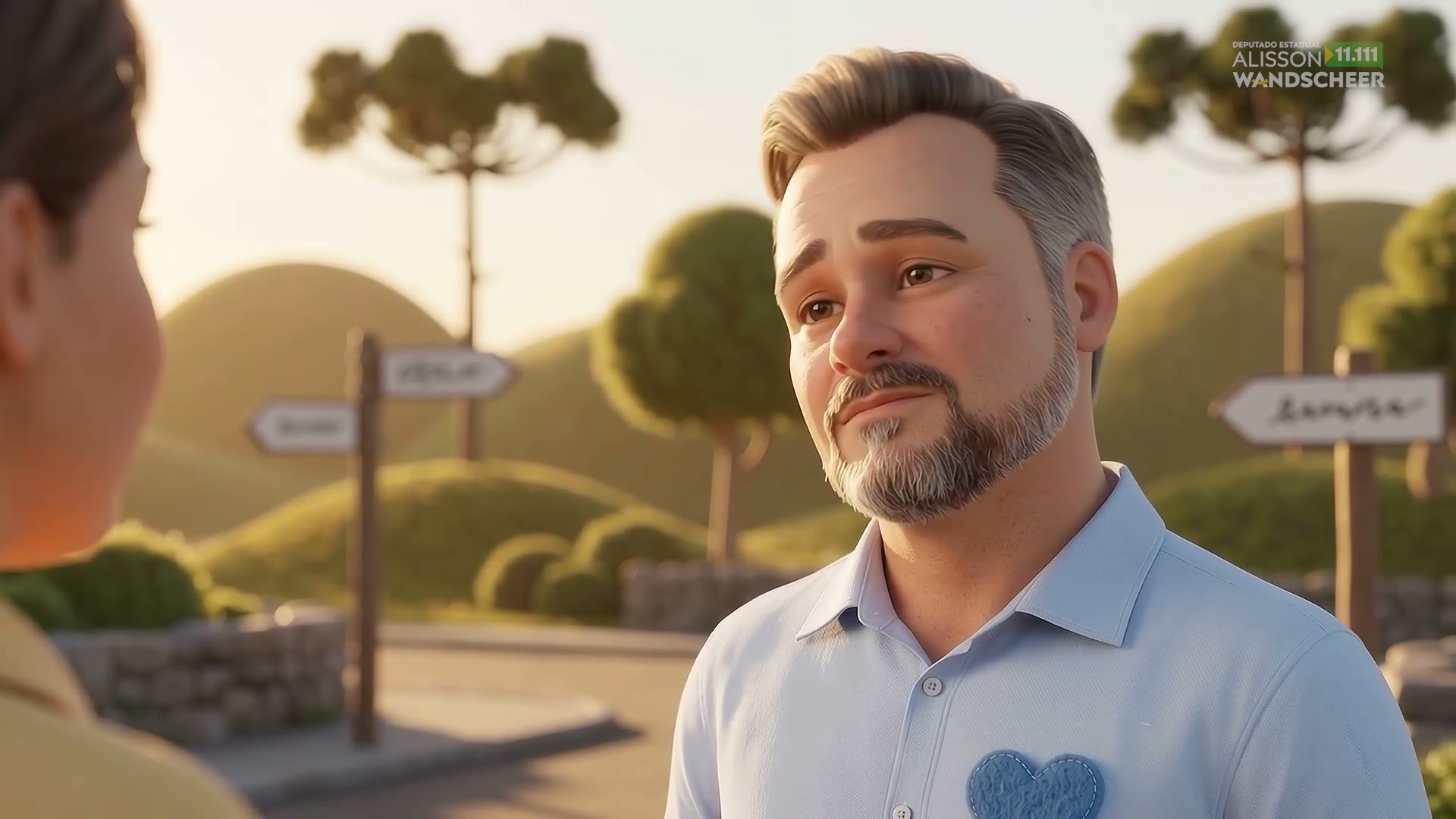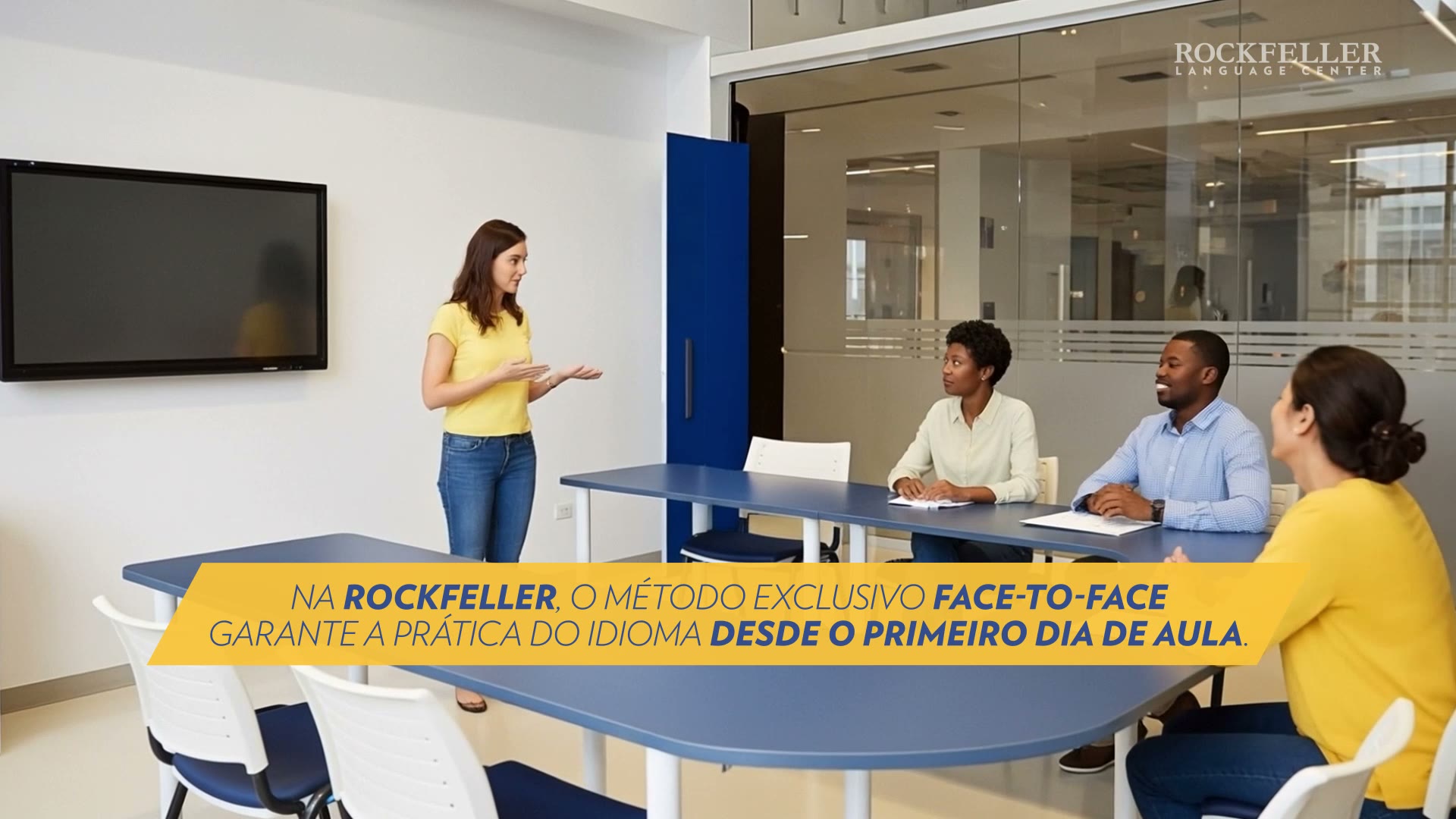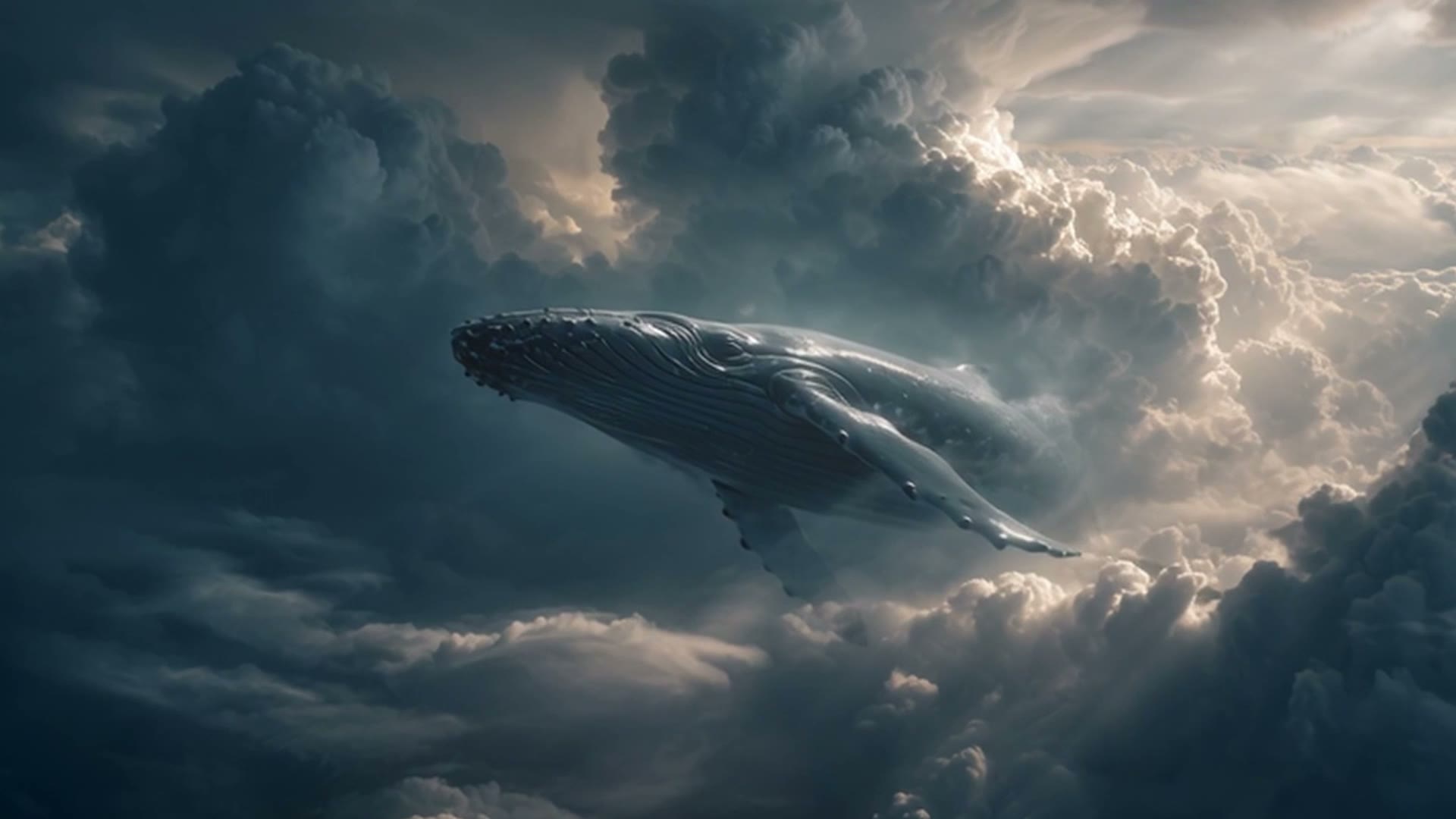
Twenty years of art direction, 3D and VFX behind a generative pipeline that runs from brief to final frame — where AI renders and direction decides.
The pipeline never changes, and it's the opposite of writing a prompt and hoping. The still image comes before movement — because that's where art direction gets decided, corrected and approved.
The problem, or the initial idea. What the film has to do, and for whom.
The visual thesis. One sentence that decides everything after it: palette, light, rhythm, what's in and what stays out.
A reference isn't an image to copy, it's a rule to follow. It sets the standard before the first frame is generated.
The key frames, generated and directed as still images. This is where the film gets approved — before movement exists.
The plates become video. Animation starts from an image that's already resolved, not from a description.
When a film demands consistency — an object that reappears, a camera that needs intent, an environment seen from two angles — 3D comes before the plates. 3D is the control. AI is the finish.
We're an art direction and motion studio. We've worked with images for twenty years — advertising, 3D, VFX, motion — and since 2024 we've been building with generative AI in real production, not in weekend tests.
What interests us about AI isn't the speed. It's what it frees up: you can design an entire world, test ten art directions before lunch and walk into the meeting with the film nearly finished instead of a moodboard. What it doesn't do is choose. Framing, rhythm, the weight of a cut, what stays out of frame — that's still craft.
Which is exactly why 3D never left our process. It goes where AI is weak: object consistency across shots, a camera with intent, geometry that repeats. 3D is the control. AI is the finish.
Films, campaigns and content. If the project calls for images that don't exist yet, get in touch.